Source Commercial Grade Air Cardio Rower for Gyms
Find 30 commercial grade air cardio rower options for gyms, hotels, and home fitness centers. Compare specs like resistance levels, dimensions, and certifications to select the right equipment for your facility; compare the available evidence and request quotations based on your requirements.
Key considerations
Products List


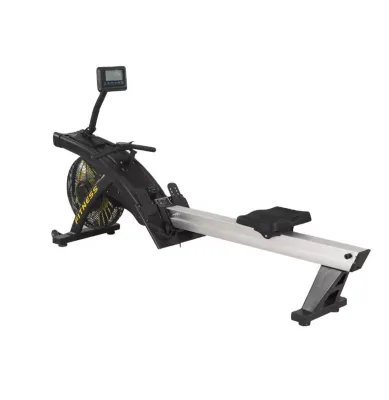
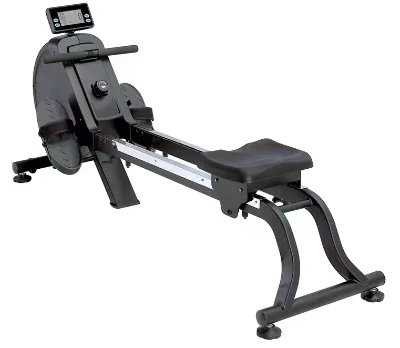
Comprehensive Sourcing Guide
Commercial Grade Air Cardio Rower Sourcing Guide
Commercial grade air cardio rowers are engineered for high-volume environments where durability and consistent resistance are paramount. Based on observed market data, these units typically feature air resistance mechanisms with adjustable gear levels, ranging from 1 to 10 settings, to accommodate diverse user fitness levels. The construction often utilizes steel frames with powder-coated finishes to ensure longevity against heavy daily usage in gyms or training centers.
Buyers must verify that the specific model supports the intended user weight capacity, as observed listings indicate maximum limits up to 150kg for robust commercial units. The physical footprint varies significantly, with some models measuring over 2.4 meters in length, requiring careful space planning for facility layout. Ensuring the machine is designed for adult populations and targets endurance training is essential for meeting the performance expectations of commercial clients.
Product Scope and Observed Listing Signals
The current market presents a mix of folded and unfolded configurations, with specific models offering compact storage solutions while others remain permanently assembled for maximum stability. Observed listings show a price range between 75 and 1000 USD, reflecting differences in build quality, brand positioning, and included features like digital displays tracking speed, time, distance, and calories burned. This variance requires buyers to align their budget with the specific durability needs of their facility.
Minimum order quantities are generally flexible, with many suppliers offering a single piece as the entry point, though bulk orders may unlock better commercial terms. The product scope includes various dimensions, such as a standard size of 2400 by 370 by 1130 mm, alongside larger endurance-focused units. Buyers should scrutinize the packing method, as some units arrive in wooden boxes for extra protection while others use standard cartons, impacting shipping costs and potential damage risks.
Technical Specifications to Verify
Technical verification must begin with the frame dimensions and structural integrity, as observed models range from medium dimensions to specific large-scale units like the 1300 by 600 by 2140 mm configuration. The resistance system is a critical differentiator, with air resistance being the primary mechanism for commercial rowers, often paired with magnetic resistance options for quieter operation. Buyers should confirm the exact gear range, noting that some units offer 10 levels of adjustment while others provide 8 gears for magnetic systems.
Weight capacity and net weight are vital for logistics and safety compliance, with observed units ranging from 29kg to 60kg and supporting users up to 150kg. The tube specifications, such as 114 by 3mm steel tubing, indicate the structural robustness required for high-intensity training. Additionally, the display functionality must be verified to ensure it accurately tracks essential metrics like speed, time, distance, and calories, which are standard features for monitoring user progress in a commercial setting.
Compliance and Safety Documentation
Safety and compliance are non-negotiable for commercial equipment, with observed certifications including CE, RoHS, and ISO standards ensuring adherence to international safety and quality benchmarks. Some listings also reference NSCC certification, which may be relevant for specific regional markets or specialized safety requirements. Buyers must request valid certificates for every unit to confirm that the manufacturing process meets the necessary regulatory standards for public use.
The warranty period is another critical compliance indicator, with observed terms extending up to 6 years for certain models, signaling manufacturer confidence in product longevity. Service life expectations typically range from 5 to 8 years, which should be factored into the total cost of ownership calculations. Ensuring that the supplier provides clear documentation on these warranties and certifications protects the buyer from liability and ensures the equipment remains safe for continuous public use.
Cost Drivers and Commercial Terms
Cost drivers in this category are heavily influenced by material quality, specifically the use of steel and the complexity of the resistance mechanism. Units with advanced features like digital displays and multifunctional capabilities often command higher prices within the observed 75 to 1000 USD range. The packing method, whether carton or wooden box, also impacts the final landed cost due to variations in shipping volume and protection requirements.
Commercial terms such as minimum order quantity are generally low, with many suppliers accepting single-piece orders, which facilitates trial purchases for smaller facilities. However, customization options for logos and specific color schemes, such as black and silver combinations, may introduce additional costs or lead times. Buyers should negotiate based on the total value of the order, considering that customization availability can vary significantly between different supplier models.
Supplier Qualification and Quality Control
Supplier qualification requires a thorough review of their production capabilities and adherence to quality standards like ISO. The presence of specific model numbers, such as G06, TZ-7027, and KDL-1014, suggests a diverse product line, but buyers must verify that the specific unit they order matches the claimed specifications exactly. Quality control processes should include checks on surface finishes, such as powder coating, to prevent rust and ensure a professional appearance in commercial spaces.
The origin of the products is consistently listed as China, which is a major manufacturing hub for fitness equipment. Buyers should assess the supplier's ability to maintain consistent quality across batches, especially given the variation in dimensions and weights observed in the market. Verifying the supplier's track record for delivering units with the correct certifications and warranty terms is essential to mitigate the risk of receiving substandard equipment.
Long-Term Procurement Checks
Long-term procurement success depends on verifying the service life and warranty support provided by the supplier. Observed service life estimates of 5 to 8 years indicate that these units are built for durability, but regular maintenance checks are necessary to maintain this lifespan. Buyers should establish a clear protocol for handling warranty claims, ensuring that the 6-year warranty terms are honored for any structural or mechanical failures.
Future-proofing the procurement strategy involves checking the availability of replacement parts and the supplier's responsiveness to technical issues. The target population is generally normal adults, but the equipment must remain adaptable to varying usage intensities over time. Regular audits of the installed units against the original specifications, such as the 10-level resistance adjustment and display accuracy, will ensure the equipment continues to meet the facility's operational standards.
FAQs
What certifications do the commercial grade air cardio rowers have?
The products hold ISO, CE, RoHS, and NSCC certifications. These standards ensure safety and quality compliance for international buyers. Specific models may vary in their exact certification list, so verify the document for each unit before finalizing orders.
Can I customize the logo on the commercial grade air cardio rower?
Customization is available for logos on select models. Some units support Mnd or custom branding, while others are non-customized. Buyers should confirm the specific customization options for the desired model before placing a bulk order to ensure branding requirements are met.
What is the minimum order quantity for the commercial grade air cardio rower?
The minimum order quantity starts at one piece for many models. Some listings indicate an MOQ of 10 pieces depending on the supplier. This flexibility allows small buyers to test products while larger buyers can negotiate better terms for bulk purchases.
How is the commercial grade air cardio rower packed for shipping?
Packaging options include carton boxes, wooden boxes, or standard cartons. The specific packing method depends on the model and supplier requirements. Wooden boxes offer extra protection for heavy units, while cartons are common for standard shipments to reduce overall weight.
What resistance levels are available on the commercial grade air cardio rower?
Resistance levels range from 1 to 10 gears for air resistance models. Some units offer 1 to 8 gears for magnetic resistance. Users can adjust the intensity to match their fitness goals, ensuring a versatile workout experience for different training needs.
What is the warranty period for the commercial grade air cardio rower?
Warranty periods typically last up to six years for certain models. Service life estimates range from five to eight years depending on usage. Buyers should check the specific warranty terms for the selected model to understand coverage details and duration.
Where are the commercial grade air cardio rowers manufactured?
These products originate from China. The manufacturing location ensures access to established supply chains and competitive pricing. Buyers should verify the specific factory details if they require strict origin tracking or have specific regional sourcing preferences.